Skip to content
Carbon River Capital

Strategy

Stabilized real estate

Stabilized real estate is income-producing commercial property supported by strong locations, durable tenancy and long-term cash flow. The building is leased, the rent is being paid and the business plan is to own it well.

That sounds simple, and the risk in stabilized property comes from treating it as simple. A lease is a promise from a particular tenant about a particular building for a limited time. Here is how we test that promise.

01

Durable cash flow

We want to know where the rent comes from and what could interrupt it. How long has the tenant been in the building? How much has it invested in the space? Is the rent at, above or below what the market would pay today? Rent below market is a cushion. Rent well above market is a risk that arrives on the day the lease expires, or sooner if the tenant struggles.

02

Tenant quality

A tenant's size matters less than its staying power and its need for the building. We look at the business itself: what it makes or does, who its customers are, how long it has operated and how the location fits its operations. A regional manufacturer in a plant it depends on can be a better tenant than a larger company in space it could leave without much trouble.

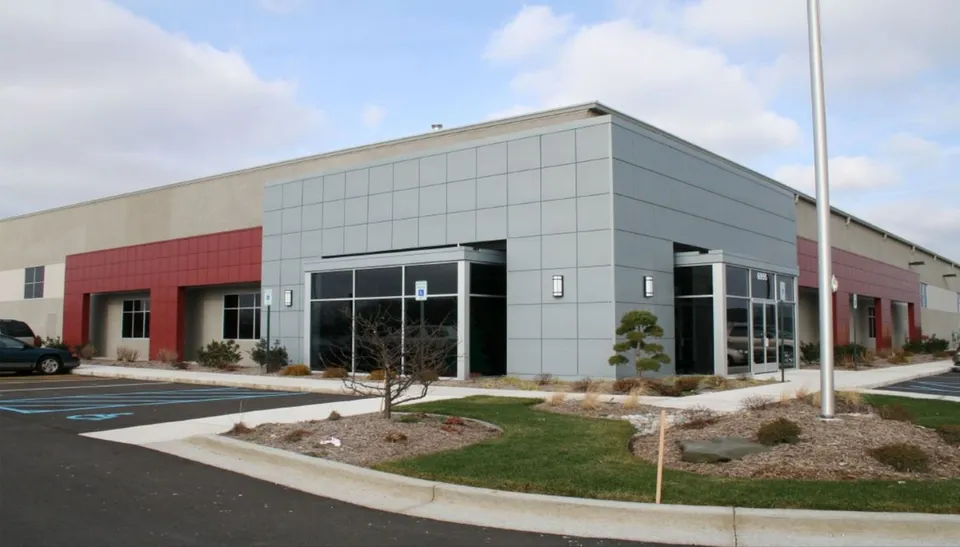
At Opus Packaging in Caledonia, the tenant is a corrugated and packaging manufacturer founded in 1984, and the property is its headquarters facility.

Entrance of 6995 Southbelt Drive SE in Caledonia, a single-story industrial and office building with grey and red panels
Opus Packaging, Caledonia, Michigan View investment: Opus Packaging

03

Lease structure

We read the lease before we look at the rent roll summary. The points that decide value:

  • Remaining term, renewal options and any early termination rights.
  • Rent escalations.
  • Who pays for taxes, insurance, maintenance and the large replacements such as roof, paving and mechanical systems.
  • Assignment and subletting rights.
  • Any tenant option to purchase.

In a multi-tenant building we also look at how expirations are spread. Several leases ending in the same year is a different risk from the same leases ending a few years apart.

04

Basis

Basis is what we have in the property once it is bought and any immediate work is done. A low basis is the most reliable protection we know of. It allows an owner to offer competitive rent if the building has to be re-leased, and to absorb a vacancy without distress. We would rather pass on a good building than overpay for it.

05

Replacement cost

We compare basis with what it would cost to build an equivalent building today, land included. Because our principals are developers, this is a number we work with all the time and not an abstraction. Owning well below replacement cost means a new competitor would need higher rent than we do. Paying above replacement cost needs a specific justification, such as a location that cannot be reproduced.

06

Location

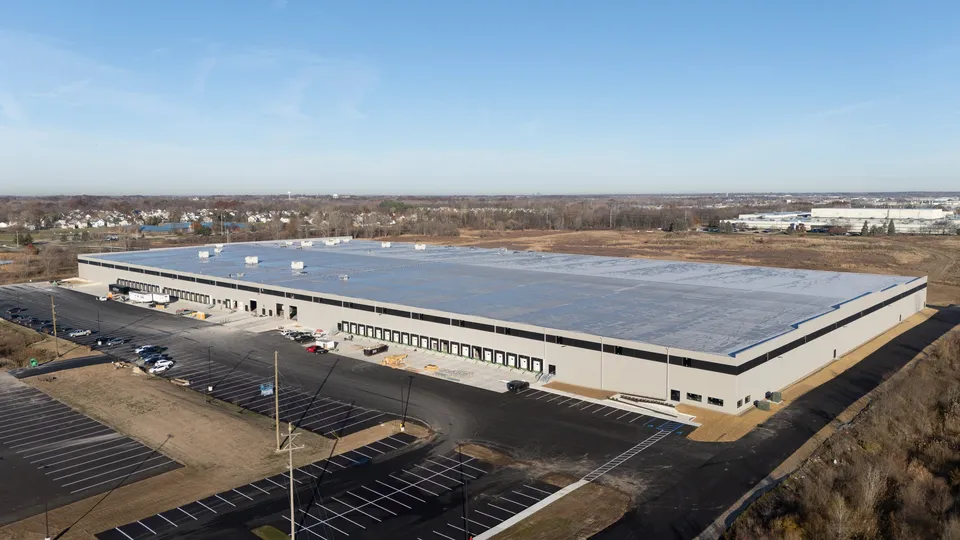
For industrial property, location means highway access, labor, utilities and a municipality that is comfortable with industrial users. The 60th Street Warehouse sits in Kentwood's industrial corridor, a short drive from US-131, I-96 and Gerald R. Ford International Airport. It began as a development by our affiliate, Third Coast Development, and is now fully leased to two tenants, with ownership retained.

For office, medical and retail property, location is about access, visibility, parking and what surrounds the building. In both cases we ask the same thing: if this tenant left, would the next one want to be here?

Aerial view of the 60th Street Warehouse in Kentwood, a long white industrial building with truck courts and parking
60th Street Warehouse, Kentwood, Michigan View investment: 60th Street Warehouse

07

Financing

Debt should match the lease. A loan that matures shortly before the main lease expires forces a refinancing at the moment the property is hardest to finance. We look at loan term against lease term, at the cushion between income and debt service, and at what the lender will require if a tenant leaves. Conservative debt gives up some upside in exchange for staying power, and we think that is usually the right trade for this kind of property.

08

Downside considerations

We begin with the downside. For a leased building, that means assuming the tenant leaves and asking:

  • How long would it take to find a replacement, and at what rent?
  • What would it cost in improvements, commissions and carrying costs?
  • Is the building general enough that many businesses could use it, or is it built around one user?
  • Does the debt allow enough time?

If the answers are acceptable at our basis, the investment can tolerate surprises. If the investment only works when the current tenant stays forever, it is a bet on that tenant, and we underwrite it that way.

09

Single-tenant and sale-leaseback property

We evaluate both single-tenant and multi-tenant investments. Single-tenant buildings put more weight on one business, so we spend more time on the company and on how adaptable the building is. Many of these come to us as sale-leasebacks, where the seller stays on as the tenant. That structure has its own considerations, covered on the sale-leaseback page.

What we want to hear about

Owners and brokers with leased commercial property in West Michigan, particularly industrial buildings, are welcome to contact us. The most useful starting information is the address, the leases, recent operating statements and a plain account of why the property is for sale. The people you talk to are the people who decide.