Skip to content
Carbon River Capital

Strategy

Special situations and operating companies

Some of the most compelling real estate opportunities begin with the business occupying the building. Others begin with a capital structure that no longer fits, or an ownership group that cannot agree. We call these special situations. They have little in common except that they take longer to understand than a listed property with a clean rent roll, and fewer buyers are willing to do the work.

We are comfortable with straightforward investments, and particularly interested in situations where complexity creates opportunity.

01

Operating companies with meaningful real estate

When a company owns its plant, warehouse or storefronts, a buyer is acquiring two things with different risks and different natural owners. Buyers of businesses often treat the real estate as an afterthought, and real estate buyers do not want the business. We are prepared to evaluate both.

In practice that means valuing the property on its own terms, working out what rent the business can reasonably carry, and deciding whether the two belong under the same ownership. Our principals have owned and operated businesses as well as buildings. Third Coast Development, our affiliate, acquired Sportstats Performance, an event timing and athlete data company, in 2023, and Carbon River holds an ownership position in that business. Sportstats is an investment in an operating company and not in property. It shows our willingness to own a business and not only a building.

02

Business and property separation

Separating a business from its real estate can be as simple as a sale-leaseback, where the company sells the building and stays as the tenant. It can also be part of a larger transaction: a company is sold and the founders keep the building, or a buyer of the business needs someone else to own the property.

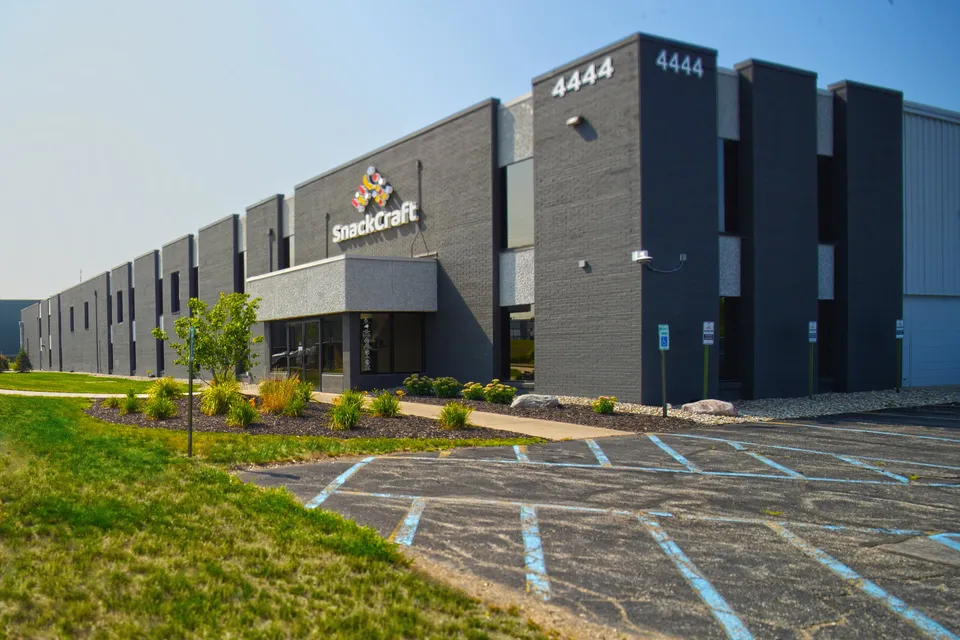
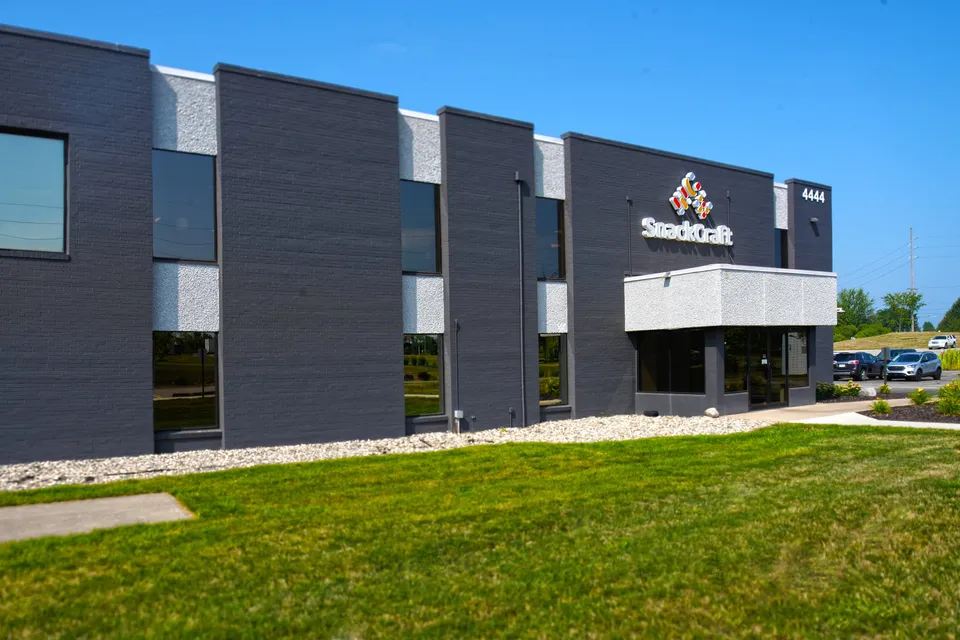
We have been both landlord to a business and an investor in it. At 4444 52nd Street in Kentwood, Third Coast Development acquired and renovated an industrial building and leased it to SnackCraft, a snack co-packer and contract manufacturer. Carbon River also holds a convertible debt investment tied to SnackCraft, a loan that can convert into an ownership stake under terms agreed at the outset. The two investments are separate.

Entrance of the SnackCraft facility at 4444 52nd Street SE in Kentwood, dark gray panels with SnackCraft signage
SnackCraft View investment: SnackCraft

03

Recapitalizations

A recapitalization changes who has capital in a property or a company without necessarily changing who runs it. Common triggers are a loan maturity, a partner who wants to exit, an estate that needs to be settled, or an owner who needs funds for a project and does not want to sell. The asset may be perfectly sound. We can come in as new equity, and we are willing to look at positions elsewhere in the capital structure where we understand the underlying asset. Carbon River's mezzanine debt investment, a loan to an affordable housing fund that sits between the senior lender and the equity, is one example.

04

Complex ownership

Property held by several family members, partnerships whose members have different goals, or real estate tangled up with an operating company can sit for years because a conventional sale is too hard to organize. These situations reward patience and a buyer who can be flexible on structure and timing. Third Coast Development's sale-leaseback with Proos Manufacturing in Grand Rapids, for instance, was built around a purchase option that let the owners control when the sale took place.

05

Underutilized property and redevelopment

Excess land behind a plant, a building larger than the business now needs, a site whose zoning allows more than what stands on it. An operating company rarely has the time to pursue these, and a developer can. Where the answer involves construction, entitlement or a change of use, our development background applies directly. See value-add real estate for how we approach that work.

06

Nontraditional transactions

Some transactions need several moving parts to close together. As an example of the principals' experience, Third Coast Development's build-to-suit headquarters for Hart & Cooley in Grand Rapids was structured as a multi-property transaction in which Third Coast also purchased two of the company's older facilities. The new building solved one problem, and taking the legacy properties solved another.

That habit of looking at an owner's whole real estate position carries over to how we evaluate opportunities.

07

How we evaluate these situations

  • We begin with the downside. If the business plan fails, what do we own and what is it worth?
  • Where there is real estate, it has to stand on its own. A functional building in a good location is what we fall back on.
  • Structure follows the facts. Equity, debt, a sale-leaseback, a joint venture or a combination, chosen to fit the situation.
  • Speed and discretion. Many of these conversations are private, and some are time-sensitive. Decisions are made by the three principals.

Who should call us

Business owners thinking about a sale, a succession or a capital need where real estate is part of the picture. Intermediaries with a transaction that includes property the buyer does not want. Lenders and advisors with a client whose real estate is part of the solution. Property owners whose situation is too complicated for a standard listing.

We will tell you plainly whether it is something we can help with.