Skip to content
Carbon River Capital

Strategy

Value-add real estate

Value-add real estate means property where active ownership can materially improve value. The building has a problem that can be fixed: vacancy, deferred maintenance, a dated layout, the wrong use for its location, or an owner without the capital or the appetite to deal with any of it.

Our principals are developers. We have spent our careers estimating what work costs, how long it takes and whether a tenant will pay for the result, and that is the skill this strategy depends on. It lets us evaluate both what a property is today and what it can become.

01

Leasing

The most direct way to add value is to fill empty space. Before we buy a vacancy we want to know why it is vacant. If the reason is price, presentation or an owner who would not fund tenant improvements, it can be solved. If the reason is that the building does not work for the tenants in that market, leasing effort will not fix it and the plan has to include physical change.

Two of our principals began their careers in commercial brokerage, which helps us judge what tenants in a given submarket will pay for and what they will not.

02

Renovation and capital improvements

Many buildings are structurally sound and visibly tired. The work is unglamorous: roofs, mechanical systems, parking lots, lighting, common areas, signage. The discipline is in spending on the items tenants notice and lenders require, and stopping there.

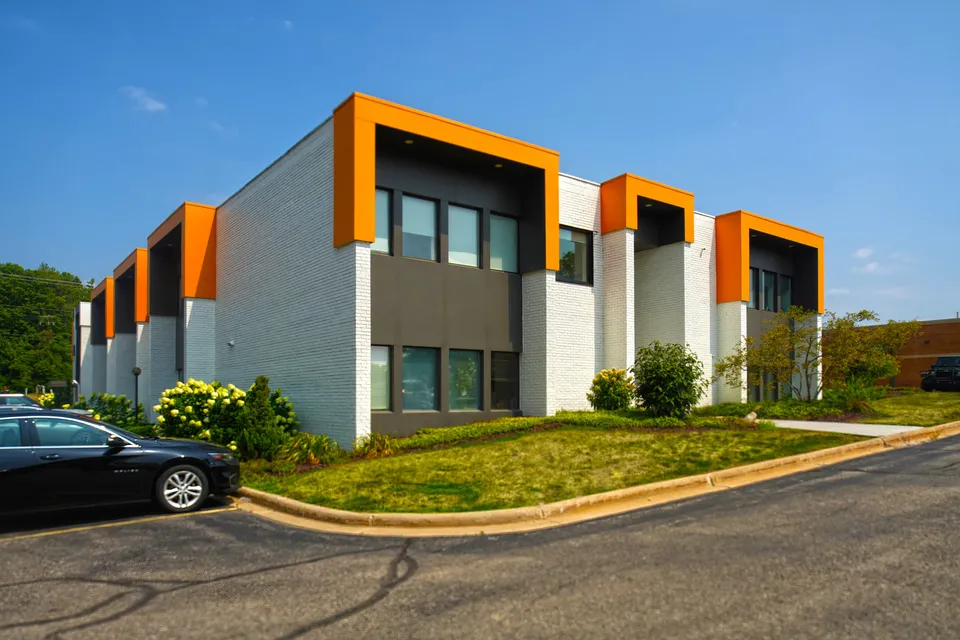
4500 Cascade Road is an example. The two-story office building was constructed in 1972 and has a history of medical and dental occupancy. In 2020 our affiliate, Third Coast Development, completed a full renovation covering the common areas, roof, HVAC, landscaping, signage and parking, and reworked the floor plate so the space can be divided flexibly among tenants.

Corner view of 4500 Cascade Road SE, a two-story white office building with orange window surrounds
4500 Cascade Road, Grand Rapids, Michigan View investment: 4500 Cascade Road

03

Repositioning

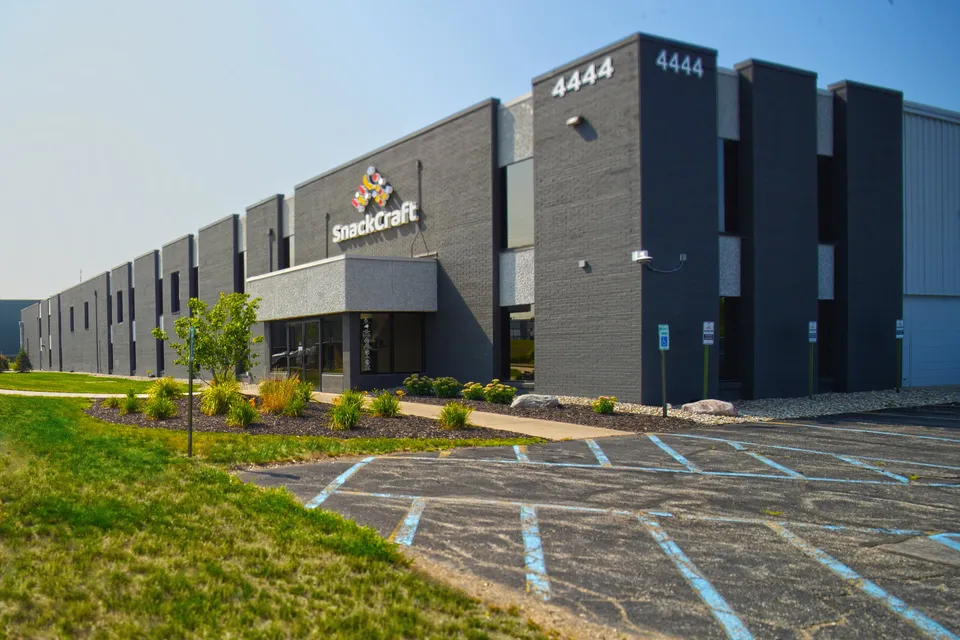
Repositioning changes who the building is for. At 4444 52nd Street in Kentwood, Third Coast Development acquired an existing industrial building on a 22-acre site in late 2021, renovated it to the standard of modern industrial space and anchored the plan with a long-term lease to SnackCraft, a snack manufacturer that chose the property as its U.S. headquarters. Third Coast also structured the public incentive package that supported the tenant's expansion. The renovation was completed in 2022, and SnackCraft has since added production lines inside the building.

The point of the example is the sequence. The repositioning was anchored by the lease, so the capital went into a building with a committed user.

04

Redevelopment

Redevelopment goes further: a change of use, a gut renovation, or new construction on a site that is carrying an obsolete building.

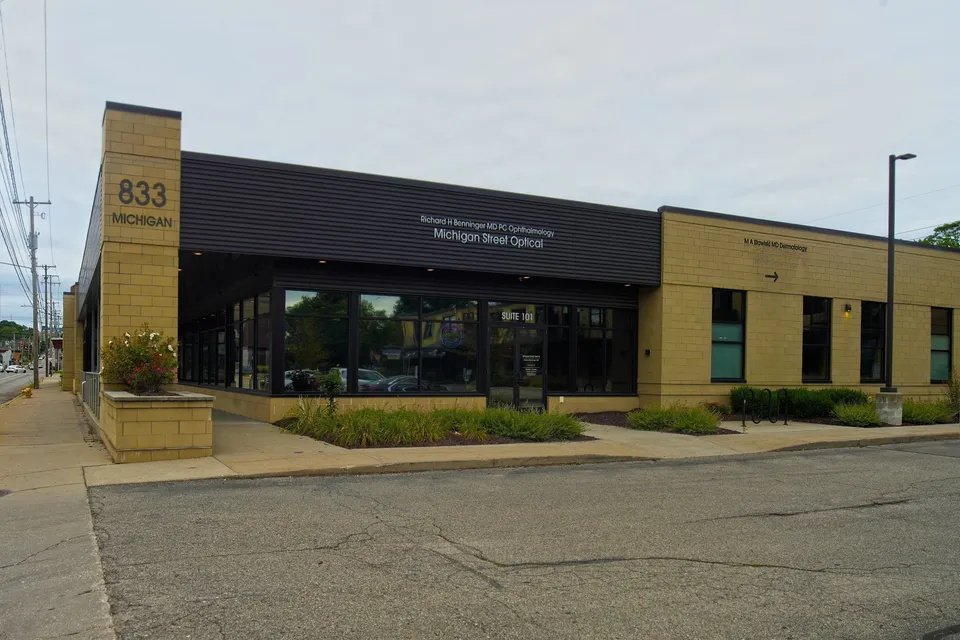
833 Michigan Street in Grand Rapids was a former retail building on a corridor that was in transition. Third Coast Development redeveloped it into medical office and retail space, together with the adjacent Lumberyard Lofts, as one mixed-use project. The project used Tax Increment Financing from the City of Grand Rapids and a Community Revitalization Program award from the State of Michigan.

Third Coast has done similar work on industrial property. At 320 Hall Street, on the southeast side of Grand Rapids, it rehabilitated a former automotive plant into modern industrial and office space, removing obsolete equipment, adding truck docks and dividing the building for more than one user. That was a Third Coast Development project, not a Carbon River investment, and it is part of the principals' experience.

Street view of 833 Michigan Street NE, a single-story tan block building with dark metal canopy and 833 signage
833 Michigan Street, Grand Rapids, Michigan View investment: 833 Michigan Street

05

Higher and better use

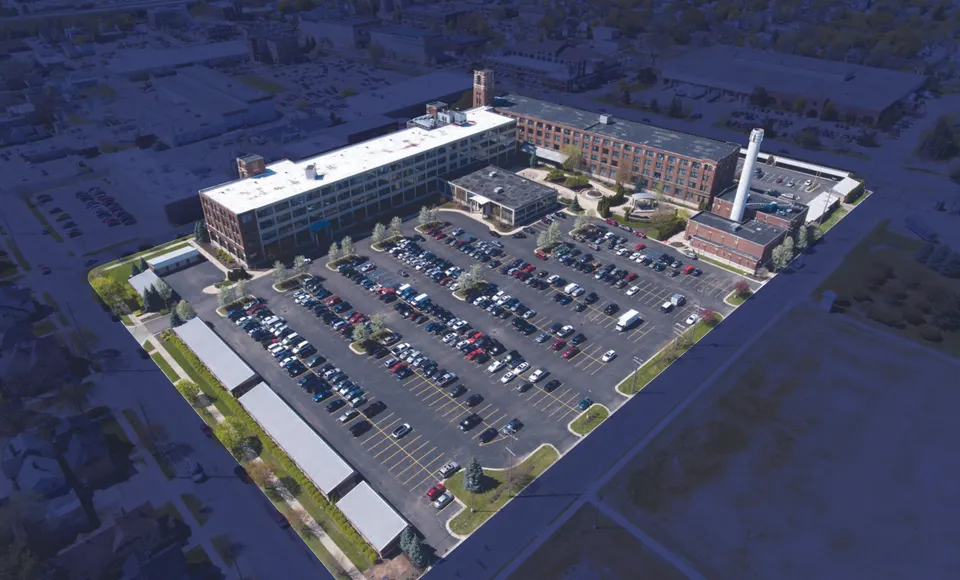
Sometimes the most valuable thing about a property is that its current use is the wrong one. Carbon River's investments include American Seating Park, a historic factory complex on the West Side of Grand Rapids that now holds office space, apartments and a restaurant, and a former home improvement store in Burton that has become the headquarters and production site of a vehicle customization company.

A change of use usually runs through the municipality: zoning, site plan approval and sometimes public incentives. We treat the approval path as part of the underwriting, with its own timeline and its own chance of failure.

06

Operational improvement

Some properties underperform because of how they are run. Expenses that have drifted, leases that do not recover the costs they should, deferred decisions about building systems. These are less visible than a renovation and can matter as much over a long hold.

07

How we underwrite a value-add plan

We underwrite the investment we are buying today, not simply the outcome we hope to achieve tomorrow. In practice:

  • Basis first. The purchase price plus the full cost of the work has to make sense against what comparable finished buildings are worth and what it would cost to build new.
  • Honest budgets and timelines. Older buildings hold surprises, and leasing takes longer than anyone wants. We carry contingency for both.
  • A plan that survives a miss. If rents come in lower or lease-up takes longer than projected, the investment should still be sound at our basis.
  • Financing that fits. Debt needs to allow time to do the work and lease the space.
  • An end state worth owning. The goal is a building we would be content to hold as stabilized real estate.

What we want to hear about

We are interested in vacant or partly vacant industrial and commercial buildings, properties with deferred maintenance, obsolete buildings on good sites and owners who would prefer a clean sale to a construction project. West Michigan is our home market. Brokers and owners can reach the principals directly.